

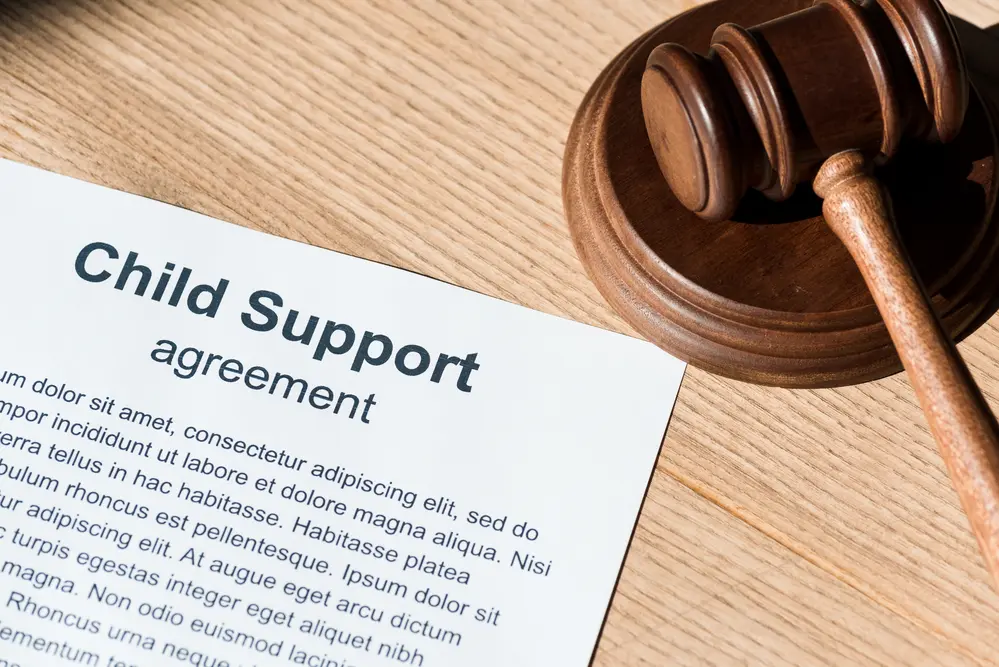
Child support is critical for the ongoing financial well-being of children after a divorce or separation, and in cases where a parent fails to meet their child support obligations, Texas will attempt to enforce court orders and compel payment. Whether you’re supposed to be receiving or giving child support in Texas and concerned about how it will be enforced, a Texas lawyer can tell you more about the specifics as they will apply to your divorce.
Child Support in Texas and How It’s Enforced
When Is Support Ordered?
In Texas, child support orders are typically established during divorce proceedings, paternity cases, or through independent court actions specifically focused on child support. The calculation of child support is based on what’s determined to be best for the child, and it will usually take into consideration the noncustodial parent’s net income under specific guidelines set by the state.
How Support Is Calculated
The calculations begin by determining the parent’s gross income, which includes all earnings: salaries, commissions, overtime, tips, bonuses, rental and royalty income, disability payments, and almost any other conceivable source of revenue. Additionally, any goods or services received in lieu of money that have a fair market value are also included in this gross income.
To arrive at the yearly income, all these sources are added together, and then, from this amount, certain yearly expenses are deducted. These deductions include Social Security taxes, contributions to mandatory retirement plans, federal income tax for a single individual claiming one exemption, any union dues, and any court-ordered health insurance premiums or medical costs for the children. Texas law establishes a net income ceiling for child support purposes, fixed at $8,550 per month. It’s important to note that even if the parent’s net income exceeds this threshold, the excess amount is not considered in the child support calculations.
The final stage of this calculation involves applying the appropriate percentage from the Texas Family Code to the net income. This percentage is contingent on the number of children requiring support and may be reduced if the parent already has child support obligations from a previous relationship or marriage.
The Office of the Attorney General and Child Support Enforcement
The Texas Office of the Attorney General (OAG) is an important player in enforcing child support orders. When a parent becomes delinquent, the custodial parent can seek assistance from the OAG. The OAG offers a range of services, including:
- Locating non-paying parents
- Establishing paternity, when necessary
- Obtaining initial child support orders
- Enforcing existing child support orders
Enforcement Actions Available in Texas
Texas courts and the OAG have numerous enforcement tools at their disposal to ensure compliance with child support obligations. Let’s discuss some of the most common enforcement actions:
Wage Withholding
Wage withholding is one of the most effective and widely used enforcement methods. A court order directs the noncustodial parent’s employer to deduct child support payments directly from their paycheck and forward the amount to the custodial parent or the state disbursement unit. This action effectively bypasses the delinquent parent entirely: the money is taken from their salary before they ever see it, so they cannot interfere with payment.
License Suspension
The state of Texas may revoke or suspend various licenses held by a non-compliant parent. These may include:
- Driver’s license
- Professional licenses
- Hunting and fishing licenses
Liens and Levies
The court can also authorize the placement of liens and levies in order to collect past-due child support. A lien may be placed on a non-paying parent’s property, such as their house or vehicle. If the property is sold, a portion of the proceeds must then be used to satisfy the child support debt. A levy allows authorities to seize funds from a non-paying parent’s bank account or other financial assets to fulfill the child support obligation.
Contempt of Court
Failure to comply with a child support order can be considered contempt of court, which is a serious offense that can potentially lead to fines or even jail time. The court may even issue a warrant for the delinquent parent’s arrest if they persist in non-payment.
Interception of Tax Refunds
The state may intercept tax refunds that are issued to a non-compliant parent and apply these funds towards past-due child support payments.
Passport Denial
When a parent owes a significant amount of past-due child support, the state may request that the U.S. Department of State deny or revoke their passport.
Modification of Child Support Orders
Sometimes a change in circumstances may make it challenging for either parent to meet the original child support order. For example, a significant decrease in the noncustodial parent’s income, new medical needs of the child, or either party having another child or re-marrying might all be grounds for modification.
In these cases, either parent can petition the court to modify the existing child support order, but it’s very important to remember that neither parent may unilaterally alter child support payments without a court order. It’s always best to consult with a family law attorney if you want to make changes to a support order.
The Importance of Maintaining Good Records
Maintaining accurate and detailed records of all child support payments you’ve received (or paid) is a wise policy for both custodial and noncustodial parents. Custodial parents should document any missed or late payments, while noncustodial parents need a record of their timely payments.
This information will protect you if you have been paying faithfully, will serve as evidence if you need to get help with enforcement of child support orders as the custodial parent, and will be useful to both parties if any changes need to be made to the orders later.
Challenges in Child Support Enforcement
Locating the Non-Custodial Parent
When a parent intentionally evades their child support obligations, they may change their address or job frequently to hide, making it more difficult for the OAG or authorities to locate them.
Jurisdictional Issues
Interstate child support cases, where parents reside in different states, introduce some jurisdictional complexities and require the help of a good lawyer to work through. The Uniform Interstate Family Support Act (UIFSA) assists with coordination between states, but enforcement can still be a slower process when the two parents live in different states.
The jurisdictional issues can be even trickier if one of the parents is not a US citizen or lives abroad, and it’s very important to have a skilled lawyer’s help in these situations particularly.
Employment Status
Proving the income of a self-employed noncustodial parent or those working for cash can be difficult, leading to potential underpayment of child support.
The Role of Your Attorney
An experienced family law attorney is particularly helpful in these complex child support enforcement situations. An attorney may be able to help you in investigating and gathering evidence of hidden income or assets. They will, of course, represent you in court for enforcement actions or hearings and can also negotiate with the other parent or their attorney, pursue modifications to support orders for you, help in interstate and even international enforcement discussions, and file legal actions to protect you and your child.
Ensuring a child receives the financial support they deserve is a parent’s obligation and the child’s right. If you have unresolved issues regarding child support payments in Texas, contact The Eggleston Law Firm, PC now for help.