

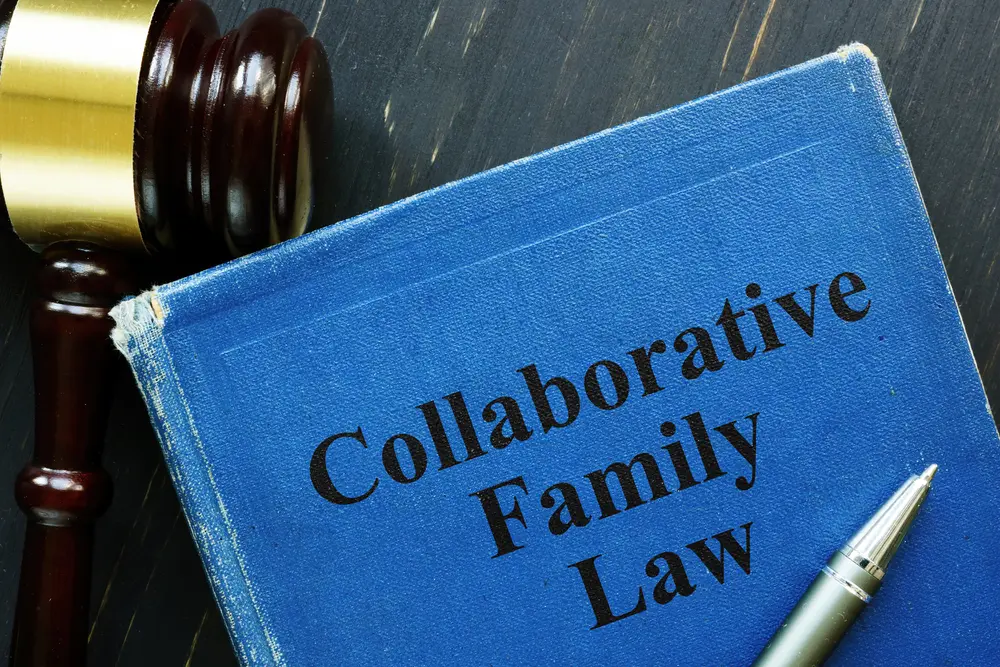
Since 2001, Texas law has allowed for something called “collaborative divorce.” You may have heard this referred to in some circles as a friendly divorce, and the idea is that if a couple is able to work out their problems in good faith outside the courtroom, they should be given the opportunity to do so. Obviously, this is not the right way to go for some couples: but if it works for you, it can be a great way to save money and get through the divorce process with as few hard feelings as possible. If you are interested in this type of divorce, you want to look specifically for a collaborative divorce lawyer in Austin, TX.
From a Collaborative Divorce Lawyer in Austin, TX: What Is It, and What Are the Benefits?
First, a little about collaborative divorce. The process is pretty simple: the two spouses and their attorneys sign a contract saying that they will negotiate in good faith, and if they can’t come to an agreement, the case “restarts” as a normal divorce, goes to court, and the lawyers will pull out at that point.
In most cases, what you’ll do is to first file a notice with the court that you will be doing a collaborative divorce. You’ll then start meeting in a neutral setting with your respective attorneys, usually once a month or so, to identify your mutual and individual goals and concerns, and then work together to agree on all issues, from child custody and support to financial settlements and how assets and debts will be divided. You can also bring in specialists like family counselors or forensic accountants to help you if necessary, and a family law firm with experience in collaborative divorce will usually have plenty of experts to recommend and draw up upon to make sure this happens. When experts are needed, typically the two sides split the costs.
The meetings can take place anywhere that works for you and your attorney, so long as it is a neutral place of some kind. Most successful collaborate law divorces can be resolved in about five to ten meetings at most, and if you need to meet more than once a month, talk with your attorney about the right schedule for you.
The Benefits of Collaborative Divorce
There are a number of ways that a collaborative divorce can be a great benefit to you and your family. For one thing, there’s a lot less paperwork involved. This means fewer expenses in filing fees, less angst and frustration in filling out and then filing all the right papers in just the right way, and more privacy. Since fewer things are going into the public record, there’s much less that can be discovered about you and your family.
Collaborative divorce can also be faster, which saves money all around. It can also be much less frustrating in some circumstances, and it can allow you and your spouse to get through the divorce amicably and with less opportunity for bitter feelings to develop. Even if you intend to amicably divorce, if you go the traditional route, once you start getting into the nitty-gritty of it, things can get tense pretty quickly.
Finally, collaborative divorce can make it a lot easier for you to co-parent. One of the problems with going the traditional route for a divorce is that someone almost always comes out the “loser.” And when that happens – when someone else tells the two parties who wins and who loses – there can be hurt feelings and relational issues that seriously interfere with your ability to co-parent effectively. In a collaborative divorce, you and your spouse are working out all the issues together, and this puts you on a firm foundation to move forward in working together as parents, but not spouses.
Is It Right for You?
Collaborative divorce has a number of benefits, but it is definitely not right for everyone. There are a number of things that you should think about before you discuss going this route.
Are You Both Committed to the Process?
You need to both be 100% committed to getting through the divorce as amicably as possible for this to work. You must both be very interested in staying out of the courtroom, and you must both be completely willing to be honest and act in good faith at all times. If this describes you, but your spouse’s response to the suggestion of a collaborative divorce is “meh, ok,” then it might not be right for you.
Are You Relatively Equal in Your Financial and Emotional Standings?
If both you and your spouse make good money and want to keep things private and retain control of your own assets, this can be a great path forward. Likewise, whatever your financial situation, if you are emotionally committed to the idea of fairly dividing the assets and understand that what’s “fair” is often not a 50-50 division, you’re probably safe to at least consider collaborative divorce.
Do You Have Each Other’s Trust?
Once you start negotiating, if there are any trust issues, these will quickly come out. Now, the fact that you’re getting divorced probably means that 100% trust is not there. But we’re not talking here about full emotional, relational trust. The question is whether you can trust your spouse financially and personally, and he or she can trust you.
Can you trust each other to both want what’s best for your kids, for example? Do you feel completely physically safe being in the same room with each other, even if you’re not getting along and don’t want to live together? Do you trust that your spouse will be completely honest about their assets, and they would say the same about you?
Is It Wrong for You?
There are some situations where a collaborative divorce is almost never a good idea. If you have, for example, points where you already know you and your spouse don’t agree, this might not be the right way to go. If you start out with the collaborative process and then have to stop partway through and restart the regular way, you will end up with much higher fees, and the whole thing will be dragged out a lot longer than it needs to take.
Obviously, if there is domestic violence or abuse, this type of divorce is almost never the way to go. It also is unlikely to be a good choice when there is substance abuse as an issue in the divorce. Additionally, if there is a great disparity between the two parties financially, the collaborative route is often a bit more risky for the less financially secure party.
If you are interested in exploring the possibility of a collaborative divorce, you want to do so with a family law attorney who has experience in this type of divorce and is committed to the process. You will find that kind of commitment with us at the Eggleston Law Firm. Contact our offices in Austin, Spicewood, or San Marcos, TX today or request a consultation online to find out if collaborative divorce is right for your situation.