

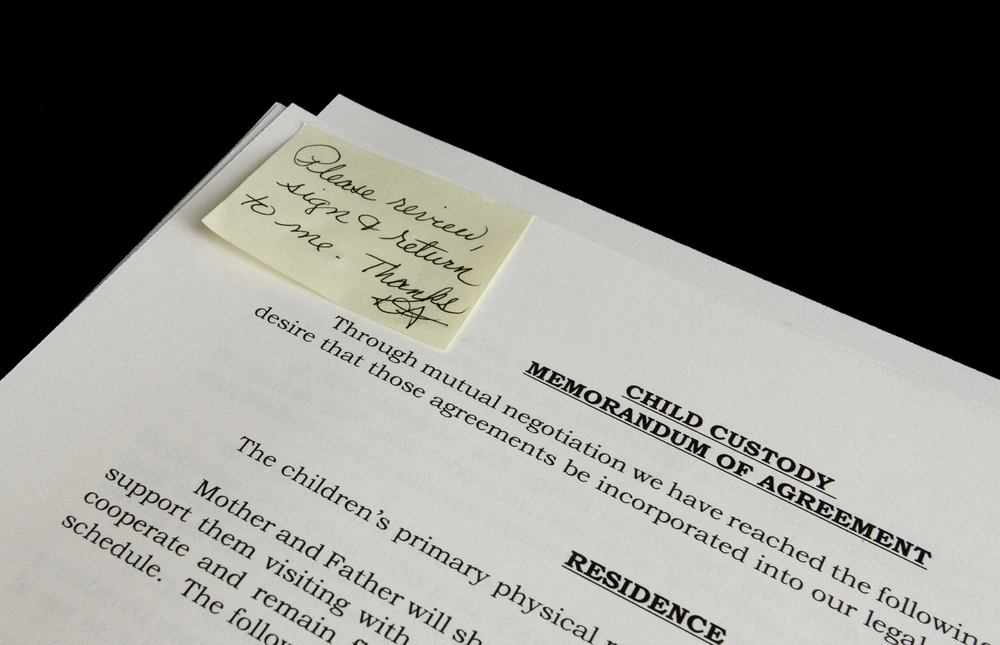
Your Austin, TX family attorney will play a key role if you’re locking in a child custody battle: but once everything is over and the custody orders are in place, what happens if you need to modify them? Your lawyer will help you here, too.
How Your Austin, TX Family Attorney Helps With Child Custody Modifications
Child custody modification is a legal process whereby you seek a change to an existing court order regarding the custody and care of a child. Modifications are not granted lightly: the court will require quite a lot of evidence that there’s been a significant change in circumstances such that it warrants an adjustment to the custody arrangement already approved. The primary consideration of the court is always the best interests of the child: ensuring their safety, stability, and well-being is more important than the needs, goals, or desires of either parent.
However, the courts do understand that sometimes life changes, so modifications can be requested to change various aspects of the custody orders, including physical custody (where the child lives), legal custody (who has decision-making authority), visitation schedules, and parental responsibilities. Requests for modifications can be initiated by either parent or, in some cases, they might even be initiated by a third party with a vested interest in the child’s welfare.
Reasons for Seeking Custody Modifications
Several situations may prompt a parent to seek a modification of the existing custody order, but it’s important to know what is likely to be considered justified and to be approved by the court. Courts typically require a “substantial and material change” in circumstances. Examples of what’s commonly accepted include:
Relocation
Relocation is a common reason for custody modification because it can disrupt the child’s routine and the non-relocating parent’s ability to maintain a meaningful relationship with the child.
Consider a scenario where a mother who shares joint custody receives a job offer in another state. The move promises better career opportunities and financial stability but would place her several hundred miles away from the father, who is actively involved in his daughter’s daily life. The father’s ability to participate in school events, extracurricular activities, and regular parenting time would be compromised due to the distance. In this case, the father may seek a custody modification to adjust the visitation schedule or request primary custody to minimize disruption to his child’s life.
Change in Employment
A parent’s employment situation will always affect their ability to follow a custody schedule, so significant changes, such as new work hours, job loss, or getting a new job could mean they need modifications to the custody arrangement.
Imagine a father who has custody of his son on weekdays due to his 9-to-5 work schedule. He accepts a promotion that requires frequent international travel and irregular hours. His new responsibilities prevent him from being consistently available during his scheduled parenting time, so the mother, who has a more stable schedule, may request a modification to assume primary custody during the weekdays to provide the child with a consistent routine.
Health Issues
Suppose a mother is diagnosed with a chronic illness that limits her physical capabilities and requires ongoing medical treatment. Her condition may keep her from doing her daily parenting tasks, like transporting her son to activities. The father may then seek a custody modification to take on a greater caregiving role.
Alternatively, if a child develops a medical condition that requires specialized care that’s only available in a specific location, adjustments to the custody arrangement may be necessary so the parents can meet their child’s needs.
Substance Abuse
If one parent begins to abuse alcohol or drugs, the other parent may seek a custody modification to protect the child from potential harm. Consider a situation where a father develops an addiction to prescription painkillers following an injury. His substance abuse starts to lead to impaired judgment, neglect of his parental responsibilities, and sometimes an unsafe environment at home. The mother notices behavioral changes in her daughter, such as anxiety when returning from visits with the father. The mother may file for a custody modification to restrict the father’s access until he demonstrates sobriety.
Domestic Violence or Neglect
Instances of domestic violence or neglect are grave concerns that warrant immediate action to protect the child. If a parent is abusive or neglectful, modifying the custody arrangement is essential to ensure the child’s safety.
Other Significant Changes
While the above reasons are the most common grounds for custody modifications, other significant changes could require a change, like:
- Changes to the educational needs of the child
- Parental alienation
- Re-marriage of one of the parents or the birth of a new child
Best Interests of the Child
The overarching standard in all custody cases is always the best interests of the child. In looking at the custody arrangements for a modification, the court will consider whether an adjustment could better meet the child’s developmental requirements. They will also be interested in what will ensure a consistent and secure environment for the child.
Depending on the child’s age and maturity, their wishes may also be considered, particularly if they are now 12 or older and have strong feelings about their custody arrangements. The ability of the parents to communicate and co-parent effectively is also important.
Your Family Lawyer
Your lawyer will take a look at the specific circumstances of the case to determine whether there are valid grounds for a modification and give you advice on the likelihood of success based on legal precedents and the evidence. Then, your lawyer will help you as you go through the process:
Preparing and Filing
You’ll need to submit all the formal legal documents required by the court, and your attorney will draft the necessary petitions, motions, and affidavits and make sure all the paperwork complies.
Gathering and Presenting Evidence
You’ll need to prove there’s been a substantial change in circumstances, so your lawyer will help you collect relevant information, such as medical records, employment documents, school reports, and witness statements. They will then organize all this evidence and use it to present a case that the court will find convincing.
Negotiation
If you and the other parent don’t initially agree, things can often be resolved through negotiations without the need for a contentious court battle. Your attorney will represent your interests here and negotiate for an agreement that will meet your needs while bearing in mind what’s best for your child overall.
Court Representation
If negotiations fail, the case will go to a court hearing, and your attorney will represent you here. Their familiarity with courtroom procedures and legal strategies gives you a much better chance of a favorable outcome.
Why a Family Law Attorney?
Family law attorneys have special knowledge of the laws that pertain in Texas, the legal precedents that have been set by courts in the past, and the peculiar rules and procedures of Austin’s local family courts.
Remember, too, that emotions run high in custody disputes, and this can cloud your judgment. A family law attorney knows about this: they have been through all this before with other clients. They both empathize with your difficulties and understand the emotional strain and stand prepared to give you an objective viewpoint that allows you to approach the issues strategically for the best outcome.
If you need to modify your custody arrangements, contact us at the Eggleston Law Firm, PC
right away for a case evaluation.