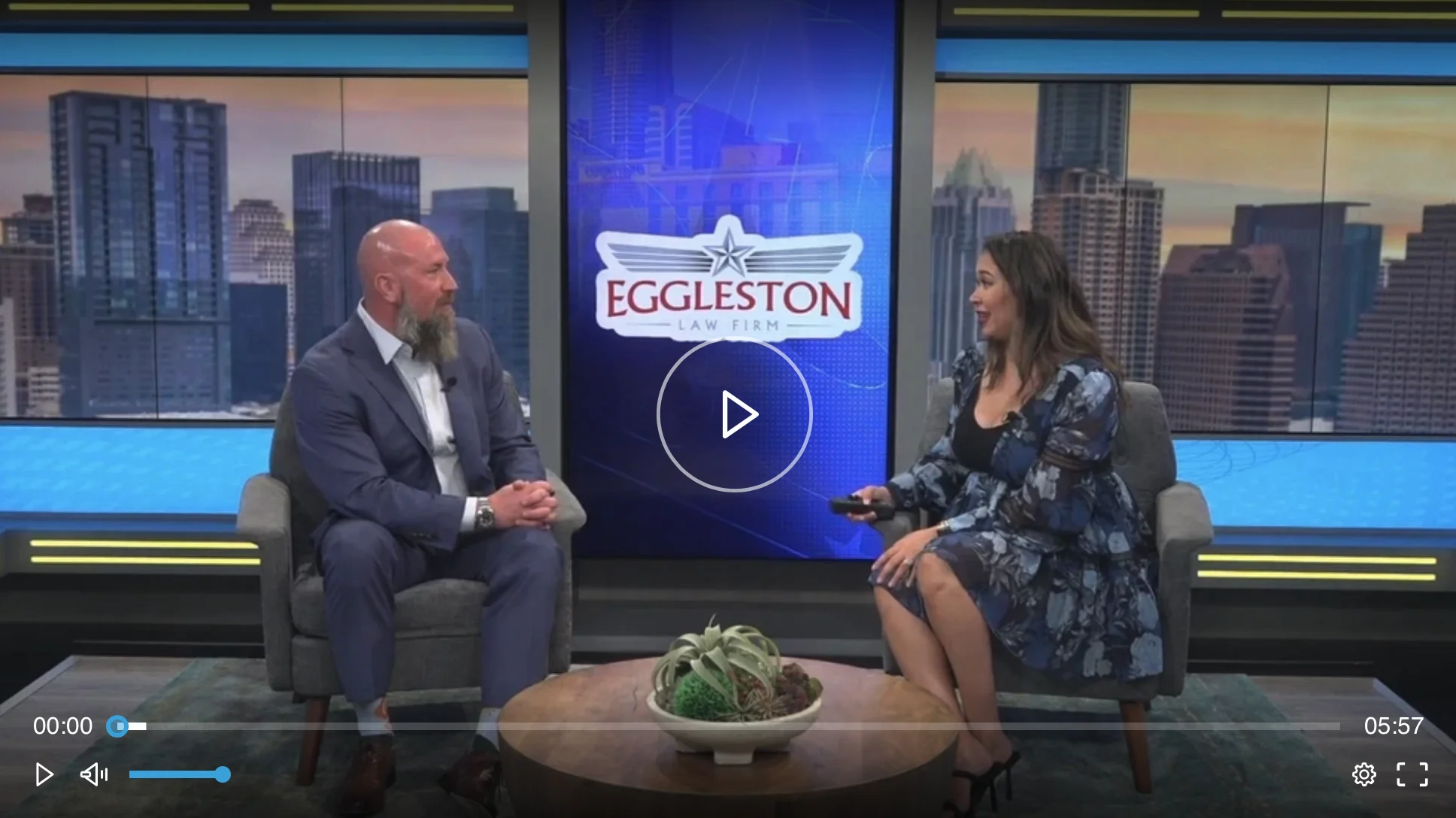

In Episode 76 of Cases & Cocktails, Bryan and Janice Eggleston discuss a topic that frequently impacts Texas divorce and custody cases but is often misunderstood: mental health and family law.
Over a refreshing Watermelon Paloma, the conversation focuses on how mental health issues appear in family law litigation, why transparency matters, and the common misconceptions people have about diagnoses, therapy, and psychological evaluations.
The Intersection of Mental Health and Family Law is Common
Bryan explains that mental health concerns appear regularly in high-conflict divorce and custody cases. Sometimes the struggles are obvious, while other times they emerge gradually during litigation.
For many people, divorce itself becomes the event that forces them to finally address issues they may have ignored for years. Anxiety, depression, trauma responses, and emotional dysregulation often intensify during custody disputes and litigation stress.
The key takeaway: having a mental health diagnosis does not automatically make someone a bad parent.
Judges Want Accountability—Not Perfection
One of the biggest misconceptions in Texas family court is the belief that a diagnosis alone will destroy a custody case.
Bryan and Janice explain that judges are generally far more concerned with whether someone is:
- Aware of the issue
- Seeking treatment
- Following recommendations
- Taking accountability
Trying to hide mental health struggles often creates bigger problems than the diagnosis itself.
As Bryan notes, being open about therapy, medication adjustments, or treatment challenges allows attorneys to better guide clients through litigation and present those issues honestly and effectively in court.
Why Transparency Helps Your Case
The Egglestons emphasize that family law attorneys are not therapists—but they can help connect clients with the right resources and build litigation strategies around those realities.
Being transparent allows the legal team to:
- Better manage stressful litigation timelines
- Understand emotional reactions during the case
- Recommend specialized resources or professionals
- Help clients communicate more effectively in court
Janice points out that judges often give grace to people who are actively working on themselves. What courts typically do not respond well to is denial or refusal to address obvious concerns.
Psychological Evaluations Are Often Misunderstood

The episode also addresses the growing trend of parties demanding psychological evaluations in custody litigation.
Bryan explains that many people treat evaluations like a “gotcha” tool, believing a diagnosis will automatically result in sole custody or restricted parenting time. In reality, that is rarely how courts operate.
A psychological evaluation often confirms what everyone already knows—and if the person is already addressing the issue appropriately, the evaluation may have little impact on the outcome of the case.
Mental Health vs. Safety Concerns
Another important distinction discussed in the episode is the difference between:
- A mental health diagnosis
- A legitimate safety or welfare concern
The presence of anxiety, depression, ADHD, or similar diagnoses does not automatically create danger to a child.
Bryan notes that in his experience, untreated addiction issues more commonly create direct safety concerns than mental health diagnoses alone.
The Takeaway – Mental Health and Family Law
Episode 76 reinforces an important message: mental health struggles do not define your ability to parent.
In Texas family law cases, honesty, accountability, and willingness to seek help are often viewed far more positively than pretending everything is fine.
As Bryan puts it, the goal is not perfection—it’s being willing to address the issue head-on and do the work necessary to move forward.
Navigating Divorce, Custody, or Mental Health Concerns in Texas?
The Eggleston Law Firm in Spicewood, Texas, helps clients navigate high-conflict custody disputes, divorce litigation, and complex family law matters with clarity, strategy, and compassion.

📞 Learn more at the Lonestar Law Firm website.