


How to Be a Better Co-Parent
Co-parenting after a divorce or separation isn’t easy. Two people who struggled enough to end their relationship are suddenly expected to communicate, compromise, and work together for their children.
In Episode 96 of Cases & Cocktails, Bryan and Janice Eggleston answer a simple question with a complicated answer: What is the best advice for becoming a better co-parent?
Their conversation comes down to communication, self-care, focusing on your children, and learning to let go of what you simply cannot control.
This Week’s Cocktail: Blackberry Margarita
This week, Bryan and Janice enjoy a refreshing Blackberry Margarita.
Ingredients:
- Blackberry puree
- Lime juice
- Tequila
- Agave
After giving the cocktail their approval—and debating whether it could make the list of their favorite drinks from the first 100 episodes—they turn their attention to the challenges of raising children across two households.
Communication Comes First
Janice’s first piece of advice is simple: communicate.
Parents can’t control everything that happens in the other parent’s home, but they can communicate about what is happening with their children, their routines, and important changes in their lives.
That doesn’t mean telling the other parent how to run their household. Instead, it can mean sharing what works in one home and discussing whether some consistency could make things easier for the children.
Communication can also help when circumstances change. If a parent is preparing to introduce a serious new romantic partner, for example, giving the other parent a heads-up may help prevent the child from being caught in an uncomfortable surprise.
It isn’t necessarily about asking permission. It’s about respect and keeping the focus on the child.
Work on Yourself
Bryan’s advice takes a different approach: work on yourself.
Divorce can leave behind anger, resentment, hurt, and unresolved emotions. Carrying those feelings into every interaction with a former spouse can turn co-parenting into another battleground.
Taking care of yourself, working through those emotions, and accepting your new reality can help you become a better co-parent—and a better parent.

That can be especially difficult after separation. Parents may have less free time, more responsibilities, and no other adult in the home to help pick up the slack.
But taking care of yourself can ultimately help you be more present and emotionally available for your children.
Stop Keeping Score
Successful co-parenting also requires moving away from the idea that every interaction has to produce a winner and a loser.
Who was late last time? Who changed the schedule? Who didn’t communicate? Who started the argument?
Keeping score can create an endless cycle of conflict.
The romantic relationship may be over, but the parenting relationship continues. Decisions should no longer be about proving which parent is right. They should focus on what is best for the children.
You Can Only Control Yourself
One of the hardest lessons in co-parenting is accepting that you cannot control the other parent.
You can communicate respectfully. You can follow the custody order. You can show up on time. You can create stability in your own home.
But you cannot force your former spouse to behave the way you want them to.
Bryan and Janice point out that the behaviors that frustrated someone during a marriage often don’t magically disappear after a divorce.
At some point, continuing to expect the other parent to suddenly meet your standards may only create more frustration.
You have control over yourself.
That’s where your energy can make a difference.
Sometimes You Have to Let It Go
Perhaps the biggest takeaway from Episode 96 is also the simplest:
Let it go.
There will be moments when your co-parent frustrates you. There may be things they do differently than you would. Sometimes you may even believe they are intentionally making the situation more difficult.
But not every disagreement needs to become a battle.
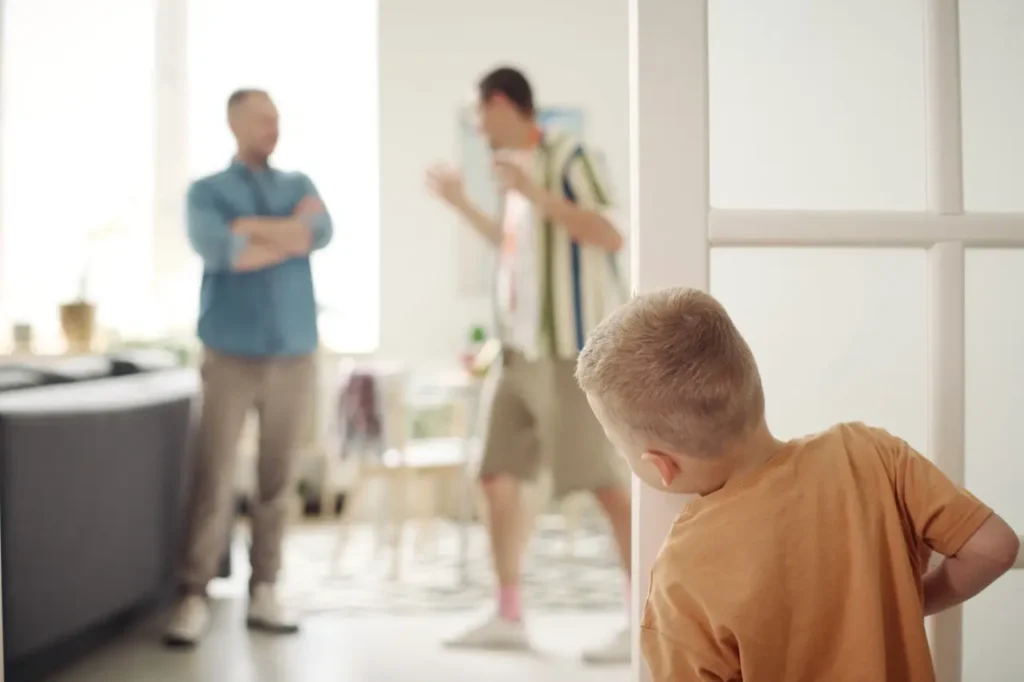
Bryan and Janice use custody exchanges as an example. A child can experience a calm handoff between two cordial parents—or be forced to walk between two adults yelling at one another.
The exchange still happens either way.
But the experience is dramatically different.
Children shouldn’t have to carry the emotional weight of their parents’ conflict.
Keep the Focus on Your Children
Good co-parenting doesn’t require former spouses to become best friends.
It requires them to recognize that their relationship has changed, while their responsibility to their children has not.
Communicate when you can.
Take care of yourself.
Stop keeping score.
Focus on what you can control.
And when something doesn’t require another fight, learn to let it go.
As Bryan and Janice acknowledge, that advice is much easier to give than it is to follow. But when parents can shift the focus away from their former relationship and back toward their children, they create a healthier foundation for everyone involved.
Listen to Episode 96 of Cases & Cocktails for Bryan and Janice’s full conversation about communication, self-care, managing conflict, custody exchanges, and becoming a better co-parent after divorce. Get in touch with our professional team of family law experts to get the help you need.