Lindsay Clancy Trial and Family Law
In Episode 97 of Cases & Cocktails, the Lindsay Clancy trial prompts a discussion about postpartum mental health and child custody. A mental health diagnosis and evidence of a risk to a child are different issues; Texas custody decisions turn on the child’s best interest and the facts of the individual case.
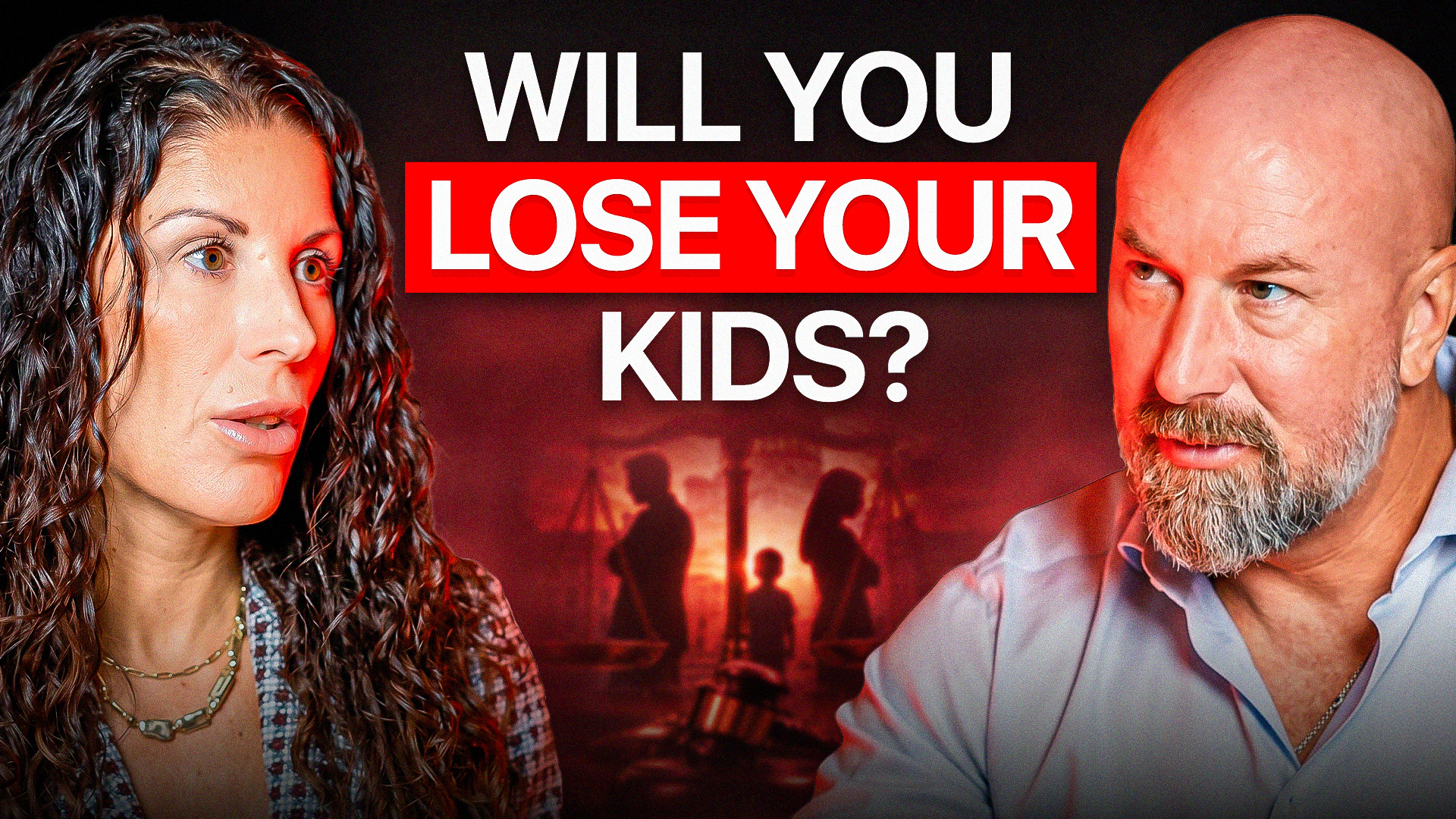
In Episode 97 of Cases & Cocktails, Bryan Eggleston and Janice Eggleston discuss the Lindsay Clancy trial, the reported mistrial and hung jury, and the difficult questions surrounding postpartum mental health.
Their conversation explores how mental health concerns can affect custody disputes, whether a diagnosis alone should influence parental rights, and why supporting struggling parents matters just as much as protecting children.
The Lindsay Clancy Trial and Its Aftermath
The Massachusetts criminal trial ended in a mistrial on September 4, 2026, after the jury could not reach a unanimous verdict, according to ABC News reporting on the mistrial. This article summarizes Episode 97 and that trial outcome; it is not a continuously updated account of subsequent proceedings.
A central issue in their conversation is the defense’s reported reliance on postpartum psychosis and other mental health concerns.
The hosts acknowledge that they did not follow every day of the trial, but use the reported outcome to examine the challenges of presenting complex evidence to a jury.
Bryan discusses how trial strategy, jury selection, and the presentation of evidence can influence outcomes. When a jury cannot reach a verdict, attorneys may need to reconsider how they communicate their case rather than simply repeating the same arguments.
But the discussion raises a larger question: Could the public attention surrounding this case affect future custody disputes?

Postpartum Depression and Postpartum Psychosis Are Different
According to the National Institute of Mental Health, postpartum depression can involve persistent sadness, anxiety, and fatigue after childbirth. Postpartum psychosis can involve hallucinations, delusions, mania, or confusion. These terms should not be used interchangeably.
Postpartum psychosis is a psychiatric emergency. Anyone experiencing its symptoms should seek immediate help by calling 911 or going to an emergency room. A healthcare professional should evaluate symptoms; a news story cannot establish a diagnosis.
Does Postpartum Depression Affect Child Custody in Texas?
In Texas, Family Code §153.002 makes the child’s best interest the primary consideration in decisions about conservatorship (parental rights and duties), possession, and access. A Massachusetts criminal proceeding does not establish the Texas custody standard. The relevant question is how the evidence relates to this child’s care and safety.
The Eggleston Law Firm represents parents in Austin child custody matters. Concerns about a parent’s mental health should be evaluated in the context of the specific family and applicable Texas law.
One of the episode’s central concerns is whether a high-profile tragedy could lead parents to use postpartum depression diagnoses against one another in family court.
Bryan and Janice distinguish between having a mental health diagnosis and presenting an actual risk to a child.
A diagnosis alone does not automatically mean someone is an unfit parent.
Family courts must consider the specific circumstances, including evidence of potential danger, a parent’s ability to care for their children, and whether appropriate steps are being taken to address identified concerns.
The hosts anticipate that some parents may attempt to reference the Clancy case when raising mental health allegations in custody proceedings.
However, they emphasize that serious allegations require more than speculation or fear.
Mental Health Shouldn’t Become a Weapon
Divorce and custody disputes can already be emotionally charged.
Introducing allegations about a parent’s mental health can make those situations even more complicated, particularly when the allegations are being used to gain an advantage rather than address a legitimate safety concern.
Bryan and Janice discuss the importance of distinguishing between a parent who is experiencing mental health challenges and a situation involving credible evidence of danger.
They also emphasize that seeking treatment, communicating with healthcare professionals, and actively addressing a condition are important considerations.
The goal should be protecting children without automatically stigmatizing parents who seek help.
Supporting Your Co-Parent Through Difficult Times
The conversation eventually turns toward a broader responsibility shared by parents, even after divorce.
What happens when a former spouse experiences a major life change, such as having another child?
Bryan suggests that healthy co-parenting can include checking in, offering support, and recognizing when the other parent may be struggling.
That doesn’t mean invading someone’s privacy or assuming that a new pregnancy creates a mental health crisis.
Instead, it means approaching the situation with genuine concern.
A simple question like “How are you doing, and is there anything I can do to help?” can be more productive than immediately turning a concern into a custody dispute.
Janice reinforces the importance of treating maternal healthcare seriously and ensuring parents receive appropriate support rather than judgment.
When Mental Health Becomes a Custody Concern
Bryan and Janice acknowledge that there are situations where mental health issues may require court intervention.
When credible evidence suggests that a parent presents a danger to themselves or their children, protective measures may be necessary.
Protecting Children While Supporting Parents
The Lindsay Clancy case raises deeply emotional questions about mental health, parental responsibility, and the legal system.
For Bryan and Janice, the family law takeaway is that a diagnosis should not automatically define someone’s ability to parent, but genuine safety concerns cannot be ignored.
Supporting mental health treatment, communicating responsibly, and focusing on children’s well-being should remain priorities.
High-profile criminal cases may influence public conversations, but every custody situation deserves an evaluation based on its own facts.
This Week’s Cocktail: Pom Paloma
Before diving into the episode’s difficult subject matter, Bryan and Janice enjoy a refreshing Pom Paloma.
Ingredients:
- Tequila
- Lime
- Squirt grapefruit soda
- Pomegranate juice
- Tajín
The drink receives positive reviews, with a slightly sweet, soda-forward flavor, before the conversation turns to the serious issues surrounding the case.

Listen to Episode 97 of Cases & Cocktails for Bryan and Janice’s full discussion of the Lindsay Clancy proceedings, postpartum mental health, courtroom strategy, and the potential implications for Texas child custody cases. Reach out to the Eggleston Law Firm directly for professional help with your own custody or family law needs.